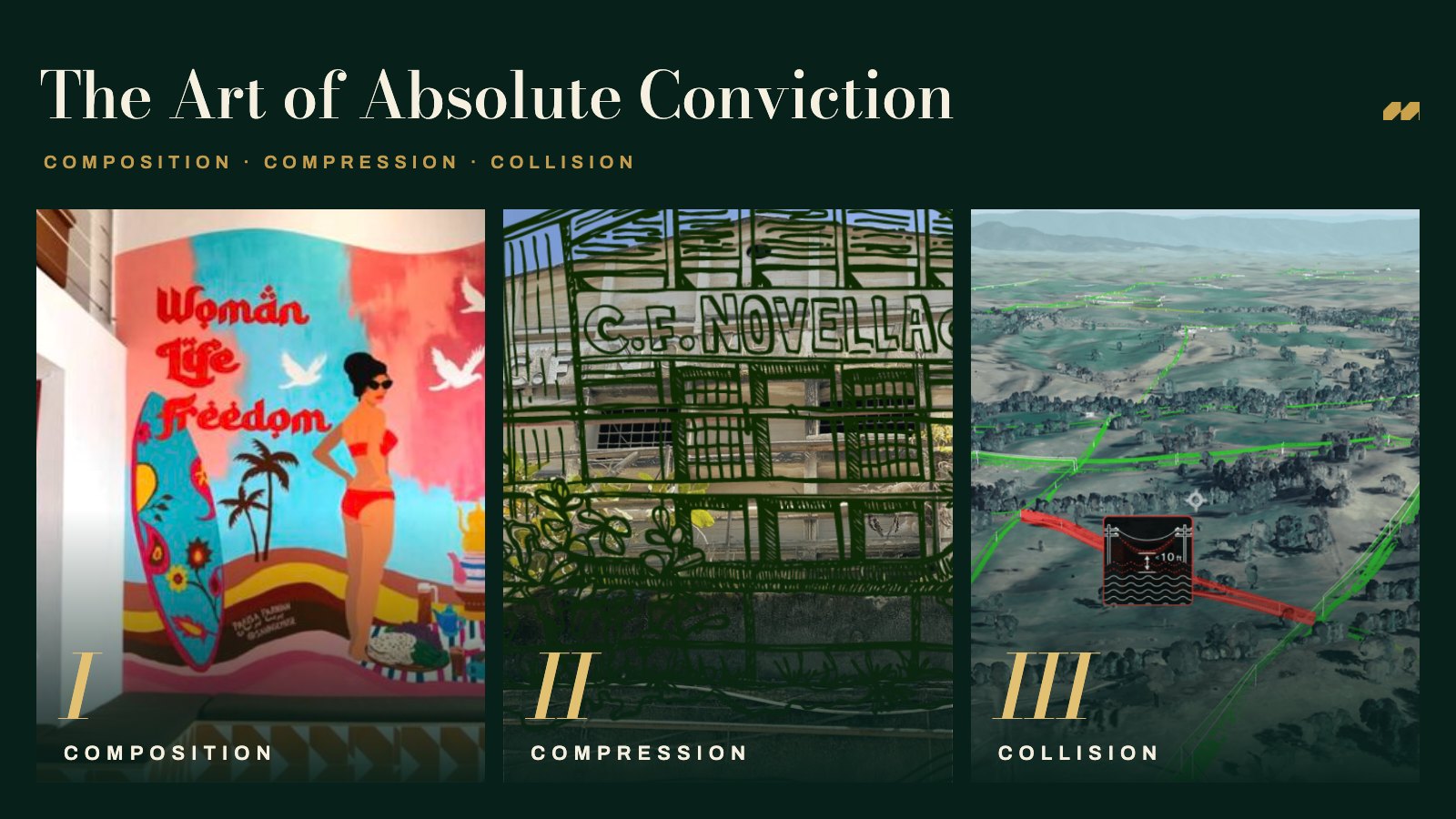
What gives certain brands a character that travels across countries, media, products, and generations? Why can a company feel unmistakably itself in an architecture, a phrase, a service experience, or a single unexpected idea?
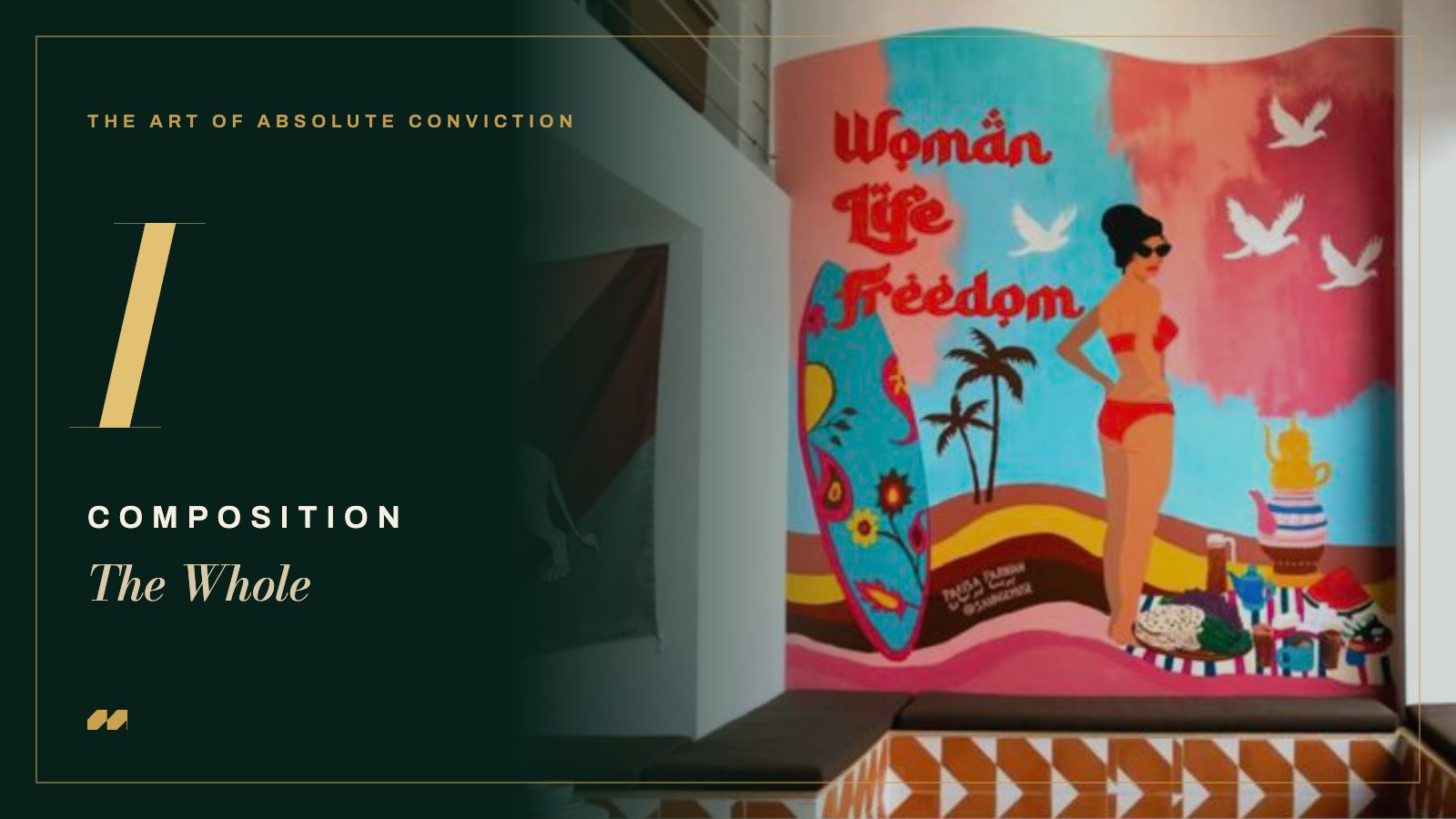
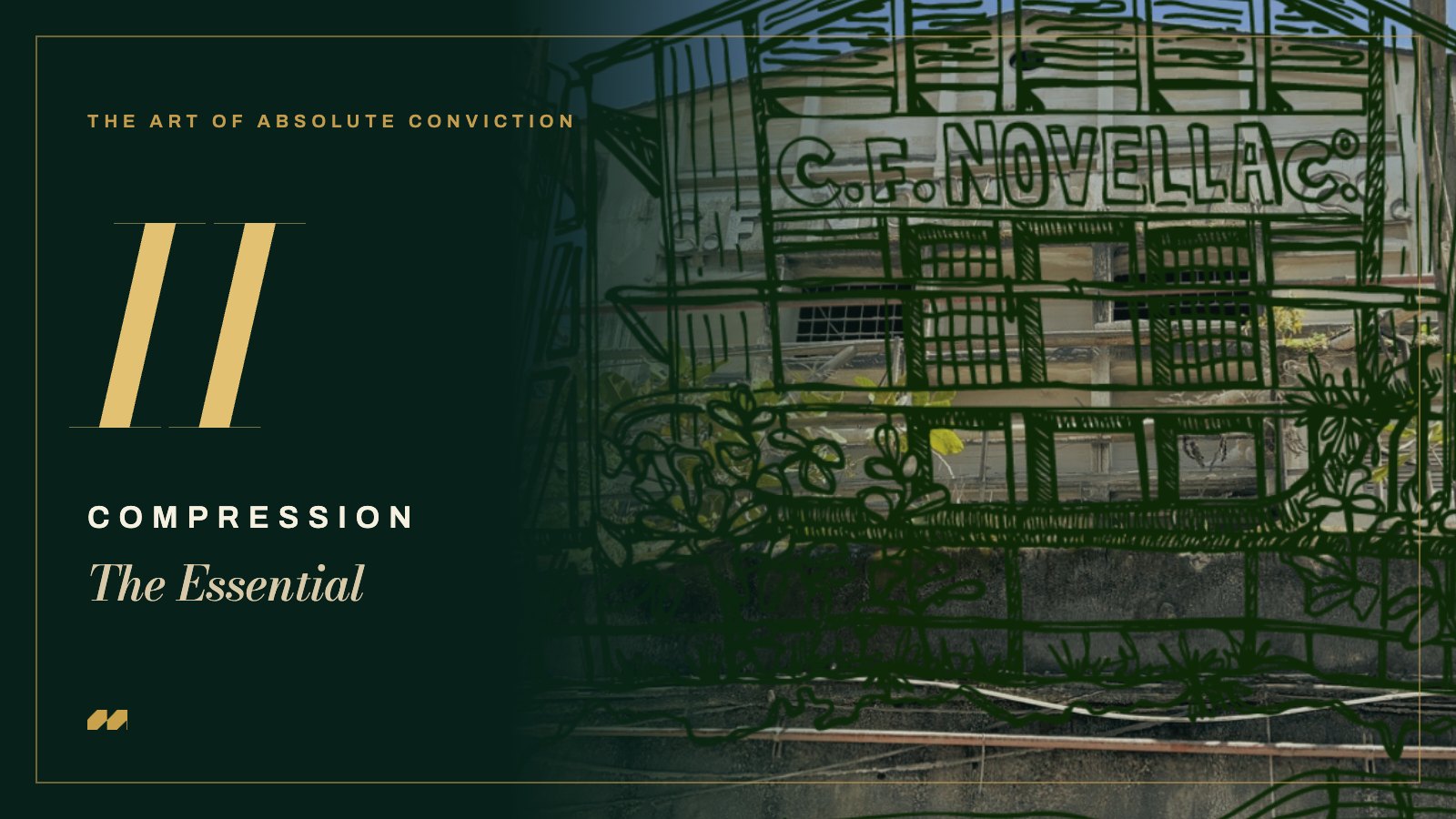
I've become increasingly interested in how the answer crosses disciplines that are rarely discussed together in marketing. German aesthetic philosophy offers a theory of the total work of art. Blaise Pascal reveals the intellectual labor of making a complex truth simple. Arthur Koestler explains how previously unrelated ideas collide to create something original. Each asks a different question about the making of meaning. Together, they describe three disciplines at the heart of singular brand creation.
A brand must be expansive enough to be lived, concise enough to be repeated, and original enough to be remembered.
In this three-part MOW series, I explore how those disciplines work in the world, from Aesop's store architecture and Disney's immersive environments to Nike's three-word conviction, Patagonia's purpose, Dyson's unlikely engineering inspiration, Nintendo's reinvention of play, and Cirque du Soleil's encounter between circus and theater. Along the way, I'll draw from my own experience building brands through deep investigation, unusual creative references, and the effort to uncover what makes each organization singular.